
A fruit preparation may look simple, but its color has to work around fruit solids, acids, sweeteners, heat, and storage. For developers using Black Carrot Concentrate, the first question should be whether the formula sits inside a suitable pH range. FoodRGB lists black carrot as water-soluble and useful in fruit preparations, beverages, confectionery, and jelly. That makes it a practical starting point, but the concentrate should still be tested in the complete recipe rather than judged in water or from a concentrated sample alone.
Black Carrot Brings Red-to-Purple Options
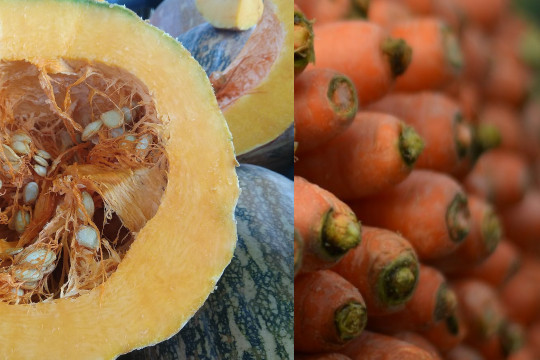
FoodRGB describes black carrot as a red-to-purple color with strong acid, light, and heat resistance. Its preferred pH range is about 3.0 to 5.0, which fits many fruit-based systems. Powder, liquid, and custom formulations are available, giving developers several ways to introduce the color during production. In a berry filling or fruit swirl, the finished shade may depend on natural fruit color as much as the added pigment. Small trials help show whether the color supports the fruit identity instead of overpowering it.
Purple Sweet Potato Favors Lower pH
Purple sweet potato offers a different route to red, fuchsia, and purple shades. FoodRGB lists its best performance around pH 2.0 to 4.0 and describes strong heat and light stability under acidic conditions. The color is water-soluble and supplied in several powder and liquid strengths. Those characteristics can make Sweet Potato Concentrate worth testing in acidic fruit preparations, jelly, frozen products, and confectionery. The lower working range may suit recipes where black carrot is less comfortable or where a slightly different undertone is preferred.
Fruit Solids Can Change the Shade
A pigment rarely looks the same in a clear test solution and a real fruit preparation. Purees, fibers, seeds, fruit color, and cloudiness can all soften or deepen the final appearance. A strawberry filling may need a different concentration from a grape or berry base even if both are expected to look red. Developers should compare the color after all fruit ingredients and sweeteners are present. That gives a more realistic result and helps avoid adding extra pigment simply because an unfinished sample looked lighter than expected.
Heat Testing Should Match the Process
Fruit preparations may be cooked, pasteurized, hot filled, or added to another product after heating, so thermal testing belongs in development. FoodRGB describes both black carrot and purple sweet potato as heat stable within their preferred acidic ranges, but production conditions still vary. A short laboratory heating step cannot represent every kettle, filling line, or holding time. The useful test is to run the formula through the planned process, allow it to cool, and then compare the shade again before deciding which color system performs more reliably.
Swirls and Fillings Need Even Distribution
Color consistency matters when a fruit preparation is used as a swirl, filling, or topping. Uneven dispersion can create dark streaks in one part of a product and pale areas in another. Thick fruit systems may need longer mixing times than beverages and too much mixing can impact texture. Developers are able to test adding points and pre-dispersion strategies before scale-up. If the color is uneven, increasing the dose may hide the problem rather than solve it. A better mixing step often produces a cleaner result with less unnecessary pigment.
Packaging and Storage Complete the Trial
A good color on production day still has to survive distribution and storage. Fruit preparations may sit in clear jars, opaque cups, frozen desserts, bakery fillings, or confectionery centers, and each environment changes exposure to light, oxygen, and temperature. FoodRGB notes strong light resistance for both black carrot and purple sweet potato under suitable conditions, but shelf testing is still worthwhile. Keeping samples in the intended package and checking them over time can reveal gradual fading or tone changes that are easy to miss in a fresh batch.
Conclusion
Black carrot and purple sweet potato both offer useful red-to-purple possibilities for fruit preparations, but their pH ranges and character are not identical. Black carrot performs well around pH 3.0 to 5.0, while purple sweet potato is suited to acidic systems around pH 2.0 to 4.0. Manufacturers can use foodrgb.com to review both options and application support. Testing the complete fruit formula through heating, mixing, packaging and storage gives teams a stronger basis for choosing a color that remains consistent in commercial production.